Thursday, September 30, 2010

Pumpkins Continue to Delight

Photo by Paul + photos = moody on Flickr
"He beheld great fields of Indian corn,
and the yellow pumpkins lying beneath them,
turning up their fair round bellies to the sun."
Washington Irving's The Legend of Sleepy Hollow

Pumpkins have reigned in our autumn cooking, long before they started to appear on our Thanksgiving tables in the form of delicious pies. An important staple in Native Americans' diets, pumpkins were roasted, boiled and stewed for different dishes in earlier times. In the Southwestern United States, pumpkin parts were found in the ancient ruins of cliff dwellers.

According to the USDA Cooperative State Research Service, pumpkins were part of these early native cultures' multiple cropping system of corn, beans and squash.  In Latin America, you can still find these food combinations enjoyed in native dishes today.

Now a symbol of Halloween, pumpkins played a particularly scary role in Washington Irving's 19th-century classic, The Legend of Sleepy Hollow. Many a child has shivered in the night thinking of that Headless Horseman and his flaming pumpkin. They never did find Ichabod Craine. Just his hat. And a shattered pumpkin.


It seems a shame that pumpkins should be considered scary after all these years.

Pumpkins certainly aren't scary to eat. Highly nutritious and delicious, pumpkins are packed with vitamin A in the form of cancer-fighting beta carotene, not to mention the B complex and C vitamins, as well as phosphorous, potassium, calcium and iron.

Plus, you can use the smaller pie-sized pumpkins in almost all the same recipes that call for winter squash. Instead of potatoes, try mashing cooked pumpkins with different toppings like feta cheese, nuts, yogurt, cinnamon, cumin or other spices for a healthy side dish.

Or, you can always make pumpkin pie ... a culinary favorite at this time of year.

As Irving described in The Legend of Sleepy Hollow, "And then there were apple pies, and peach pies, and pumpkin pies; besides slices of ham and smoked beef..."

Here's a recipe for making homemade pie from a real pumpkin (not canned) from PickYourOwn.org.


To grow this warm-season plant, you'll have to wait until your last average frost date has passed next spring.  Direct seed pumpkins in full sun in rich, fertile soil with excellent drainage. The optimum soil pH level is between 6.0 to 6.5. Avoid planting pumpkins in the same spot where squashes and melons have grown over the last three years. Water close to the roots and avoid wetting the foliage, particularly in the evening.

More on growing pumpkins from North Carolina Cooperative Extension. Learn about crop rotation.

Tuesday, September 28, 2010

The Corn Harvest


"Plough deep, while Sluggards sleep
And you shall have corn to sell and to keep."
Benjamin Franklin (1706 - 1790)

As you can see above, my corn stalks are cut. The ears have been eaten and enjoyed. And all that remains are good culinary memories.

Despite Benjamin Franklin's wise advice, I didn't sell any of my corn, and I even gave some of it away to friends. But after growing my own corn, I now understand all the fuss about how much better fresh-picked corn tastes when tossed immediately in the cooking pot or on the grill.


'Blue Jade' corn (70 to 80 days) is supposed to grow three feet tall, according to Seed Savers Exchange. That makes this variety one of the only sweet corns you can grow in containers and ideal for small gardens. But my plants easily grew four to five feet tall, and each supplied about two ears of brilliant blue corn. They probably would have supplied even more ears, but we had a late start to summer this year.

For best results, direct seed corn in full sun about 10 days to two weeks after the last frost date. Corn is a warm-season crop that likes rich, fertile soil with good drainage. Incidentally, this corn variety stays blue when cooked.

Learn more:
Advice for growing corn from Purdue University.
See some of garden writer Kylee Baumle's favorite corn varieties.

What are your favorite corn varieties? Any corn recipes you want to share? We're all ears. (Pun intended.)

Wednesday, September 8, 2010

Must-Have Plants I'm Growing


"We have plowed, we have sowed,
We have reaped, we have mowed,
We have brought home every load,
Hip, hip, hip, harvest home."
Traditional English Harvest Verse

For the last few months, I've spoken with some of the nation's most well-known garden writers, bloggers and personalities about their must-have plants. So, you might just be wondering which plants I can't live without myself. That's why this blog post is dedicated to my 2010 harvest ... and some of my favorite plants.

As you can see above and below, my garden is a rather unruly mix of wildflowers, roses and perennials. The Shirley and California poppies self-seeded themselves from last year, and seem determined to take over my late-spring/early-summer garden.

As garden writer and designer Rebecca Sweet would say, there are a lot of "showgirls" in my garden. These are the plants that bloom outrageously and then disappear in winter. So, I'm working on adding more four-season interest to my new garden, including some lovely little boxwood shrubs which you can't see here because of all the showgirls. But I'll be glad to have their evergreen shapes in the winter months. You can hear more about showgirl plants from my Nest in Style podcast interview with Rebecca Sweet.


I'm a big fan of succession planting. So although my raised beds started out with lettuces and radishes of all types in early spring, they were replaced with squash and corn when the weather heated up.


Last year, I grew a bean teepee in this raised bed. This year, I'm growing 'Blue Jade' corn that was supposed to grow about three feet. They must like my growing conditions, because they are easily five feet tall now. I'm just starting to pull the blue-colored corn now. Incidentally, it's always good to plant corn in blocks (rather than rows) so they can self-pollinate themselves well.


Eggplants are a great way to grow attractive, delicious plants in small spaces. 'Rosa Bianca' eggplant is an Italian heirloom that will shine in any ornamental garden bed. But I like to grow them in containers too. The flowers are as pretty as the delicious fruit.


'Calliope' eggplant is a hybrid with striped fruit that are adorable. Harvest these eggplants when they reach about 2 to 3 inches in size. Great for northern climates, this eggplant ripens in about 65 days.


My 'Little Fingers' eggplant grew huge in a container, and never stopped producing tiny, black eggplants the size of chubby fingers. This early variety ripens in under 70 days. Incidentally, these containers with eggplants were filled with salad greens of all types in the spring.  Learn more about lettuces.


Grow lots of vegetables, and you can make strange faces with your food too. Starting at the top are 'Calliope' eggplants, 'Patterson Golden Scallop' squash, 'Lebanese White Bush Marrow' squash, 'Little Fingers' eggplants and 'Fairy Tale' eggplants. Incidentally, 'Fairy Tale' eggplants are also excellent in containers, and ripen quickly for northern gardens.


It wouldn't be summer without tomatoes of all types. That's why I grew varieties that ripened at different times. Pictured above (starting top left) are cute 'Yellow Perfect Sugar' (grown by a friend); 'Black Krim;' 'Green Zebra' (grown by a friend); 'Black Sea Man'; 'Isis candy' cherries; 'Tomacchio' and 'Principe Borghese' varieties for drying; as well as 'Stupice' which ripened easily a month before the others. Plus, some 'Osmin' purple basil. Tomato growing tips. Six tomatoes for cooking and preserving.


Beans are another favorite vegetable for us. And we especially love the ones that aren't green. Above are beautiful spotted 'Dragon's Tongue;' pinkish 'Red Swan Bush;' and yellow 'Pencil Pod Wax Bean.' Alongside the beans are flowering oregano stems that make the bees in my garden very happy. More about beans.

The weather is gradually growing colder, and there are only a few more weeks to enjoy these summer vegetables. But I'm already planting carrots, radishes and salad greens for the fall. There is nothing better than delicious food out in the garden, even in the colder months.

Meanwhile, what are some of your favorite must-have plants in the garden? Do you agree with these folks?

Must Haves (Kylee Baumle, Fern Richardson, Susan Cohan)
Must Haves (Joe Lamp'l, Patti Moreno, Theresa Loe of Growing a Greener World TV)
Must Haves (JeanAnn Van Krevelen, Lisa Gustavson, Michael Lieberman)
Fav Winter Plants (Kerry Michaels, Maine)
Fav Winter Plants (Dan Eskelson, No. Idaho)
Fav Winter Plants (Doug Green, Canada)
Fav Winter Plants (Helen Yoest, North Carolina)
Fav Winter Plants (Christina Salwitz, Western Washington)

Wednesday, September 1, 2010

Must-Have Plants (Jean Ann Van Krevelen, Lisa Gustavson, Mike Lieberman)

Photo by Elaphurus on Flickr
It's harvest time! So, this segment of "must-have" plants spotlights delicious and delightful edibles of all types. These three clever gardeners, from across the nation, show you how beautiful fresh food can be ... and how you can grow vegetables, herbs and fruit in even the smallest urban spaces.


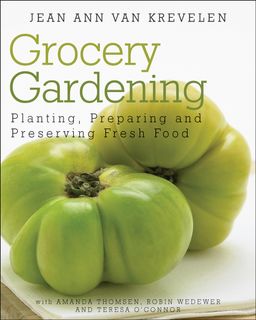
Jean Ann Van Krevelen is a big fan of fresh foods from her Portland, Oregon (Zone 8) garden. She was the main author of Grocery Gardening: Planting, Preparing and Preserving Fresh Foods, which I also co-authored. She also co-hosts the funny and popular Good Enough Gardening podcast with Amanda Thomsen on iTunes. Somehow she finds time to be social media director at Cool Springs Press. Find Jean Ann on Twitter @JeanAnnVK. Or, at her blog Gardener to Farmer.

Jean Ann likes her edibles to not only taste good, but look lovely as well. Perfect example? The purple tomatillos at the top of this post.

"I just love purple tomatillos," says Jean Ann. "In addition to being absolutely gorgeous, they produce in cooler weather than tomatoes. Their crisp, clean, slightly sour taste is ideal for fresh dishes like salads and salsas. Cook them down into a sauce and use them in Mexican or Asian dishes."

Photo by beautifulcataya on Flickr
Another favorite is 'Peacock' broccoli. "It's twice the bang for the buck," explains Jean Ann. "You can eat the little broccoli florets and the leaves. This broccoli is tender and small, so it doesn't need much cooking. Try it in salads, stir fries and grilled dishes. The leaves can be used as kale and incorporated into almost any dish. They will be a bit more tough, so blanch the leaves or saute them."


For more than 16 years, Lisa Gustavson has enjoyed spending time in the garden. In Western New York State (Zone 5b), she grows lots of unusual vegetables and fruits, mixed with flowers, throughout her charming half-acre property. Lisa is known by gardeners nationwide for her popular blog Get In The Garden. Or on Twitter at @GetInTheGarden.

Photo by Lisa Gustavson
As a young girl, Liza never particularly cared much for pumpkin pie. But now she simply loves the pie made with winter squash like this gorgeous heirloom 'Galeux d' eysines' (shown above). The beauty of this healthy vegetable is a big plus.

"The squash's sweet flavor may have won me over," she recalls. "But it was the plant's long, rambling vines and huge orange blossoms that hooked me on growing them. The sight of such a large plant unfurling from one seed is just amazing to me."

Photo by Lisa Gustavson
Fresh beans have meant "summer" to Lisa since she was a little girl. "Back then, the beans were from a local farm market," she remembers. "Now as an adult I plant different heirloom beans to eat fresh and can. I also plant varieties for drying for winter soups and stews. They're easy to grow and the beans are just beautiful."

Shown above are her stylishly spotted 'Rattlesnake' beans, green 'Vermont Cranberry' beans and purple 'Trionfo Violetto' beans. These beautiful beans elevate a simple meal into a gourmet experience.


Who says you can't grow food in small places? Mike Lieberman has grown food on a tiny fire escape in New York City (Zone 6), and a small balcony in sunny Los Angeles (Zone 10). Regardless of the size of his garden, he always eats well. Known to thousands on Twitter as @CanarsieBK, this active blogger, social media consultant and writer "walks the talk" when it comes to green living. You can learn more at http://www.canarsiebk.com/.

Have a small garden yourself? Michael recommends vegetables, fruits and herbs with a high yield. Here are some of his must-have plants for urban living.

Photo by Mike Lieberman
"A container filled with lettuces will make it to your plate quickly," explains Mike. "Plus, this plant will provide for you for many months. Growing your own lettuces helps to cut your food bills, because you'll have plenty of fresh homegrown greens to enjoy." 

The above picture shows different leaf lettuces alongside a pot of thyme as well as 'Jimmy Nardello's Sweet Italian' and 'Chili Rellenos' pepper plants on a New York City fire escape. More on lettuces.

Photo by Mike Lieberman
Herbs are a terrific food value, according to Michael. "It doesn't matter what herb you grow as long as it is one you are going to use," he says. "When you go to the store, you have to buy a bunch for 2 to 3 dollars, even when you only need a sprig. The rest winds up going to waste. Grow your own herbs, and you can harvest them as you need them. They'll last much longer too."

Mike's apple mint (left) and greek oregano (right) are growing alongside tomatoes and rosemary in the above picture. It's a perfect example of how delicious seasonings will survive growing conditions in one of the world's most urban environments.

My favorites? Over the months, you've read plant choices from some of the nation's most well-known garden writers, designers and bloggers. You may even be wondering which plants I personally can't live without. Tune in next week to find out ... when I reveal some of my favorite plants of summer 2010, complete with lots of photos. Meanwhile, don't miss these other plant picks.

Wednesday, August 4, 2010

Show Family Farmers Some Love

Photo by Isabel Gomes of UC Hansen Agricultural Center
No farms, no food. That's an important message to remember this week (August 1-8, 2010) on National Farmers Market Week. The people who supply your family's food each and every day need your support. Consider these facts from the American Farmland Trust:

Every minute, the United States loses more than one acre of farmland to development. Between 2002 and 2007, this country lost more than 4 million acres of farmland. That's nearly the size of Massachusetts in five years.

Most fresh food is in the direct path of development. About 91 percent of our fruit and 78 percent of our vegetables come from farms near urban areas. As farm and ranch land tends to be ideal for housing and office park development - flat, well drained and reasonably priced - it is rapidly being snatched away for building projects.

Less than one-fifth of U.S. land is ideal for farming. And the most fertile farmland is at the biggest risk of development.

That's the bad news. The good news is...there are lots of ways you can help. Even better, there are many benefits to helping family farmers in your area. By supporting local farmers, you're strengthening your regional economy, and you're reducing the natural resources needed to deliver your food. Most food travels 1,500 miles to reach the average American. That's a lot of gasoline to ship some lettuce.

Did you know? Local food is healthier too. Even with the finest storage facilities, the nutritional value of food starts to degrade rapidly once the produce is harvested. So, the fresher the food, the healthier the benefits.

Here are some easy ways to eat local foods and support local farmers:
  1. Visit Farmers Markets. There's nothing better than fresh-picked heirloom tomatoes and sweet corn harvested that morning. Fortunately, it has become easier to find farmers markets across the nation. In 2009, farmers markets increased 13 percent in one year alone. Often, you'll find live music and crafts at these markets too.
  2. Buy a CSA membership. When you buy a community-supported-agriculture (CSA) membership, you pay a fee, and you receive fresh produce weekly, based on what the farm harvested. It's a great way to know the farmer who grew your food.
  3. Look online. Many family farmers are turning to technology to reach consumers directly.  You can order local foods online, and many deliver right to your home. Some helpful links are listed below.
  4. Speak out. Tell local store managers and restaurant owners you'd like to see more local foods in their produce selection and on their menues. Ask them to display signage showing which local farms provided certain food items. Let your political representatives know you want them to support local farms as well.
As I explained in Grocery Gardening, when you buy direct from farmers, your dollars make a difference. Consider these facts:
  • Buy direct from farmers = they earn up to 90 cents on the dollar, reports the Eat Local Challenge.
  • Buy from traditional markets = farmers earn about 20 cents on the dollar, according to U.S. Department of Agriculture (USDA).
"Agriculture... is our wisest pursuit, because it will in the end
contribute most to real wealth, good morals and happiness."
Thomas Jefferson to George Washington, 1787

Image by Bikeloc - Robert Dubois and Aaron Zueck

Hear more about Robert Dubois and Aaron Zueck of Bikeloc (shown above) on this Nest In Style podcast. I interview these determined cyclists right before they finish a rather grueling, cross-country bike trip to celebrate local foods. Their long journey started in late-April 2010 in Vermont and ends in Portland, Oregon this week. Traveling from potluck to potluck, the cyclists have met with farmers, food producers and ordinary citizens to learn more about their perspectives about local foods in this country.  Hear Bikeloc interview.

Image by Bikeloc - Robert Dubois and Aaron Zueck
Bikeloc's effort was impressive. But, lucky for us, there are plenty of easier ways to eat local foods, support family farmers and enjoy healthier diets.

Learn more:

Monday, July 26, 2010

Growing A Greener World Experts Share "Must-Have" Plants

As more Americans embrace an eco-friendly lifestyle these days, the timing couldn’t be better for a new PBS television series called Growing a Greener World, distributed by American Public Television.

Growing a Greener World combines traditional gardening knowledge with a strong focus on sustainability – and provides plenty of cooking and preserving tips for your garden harvests. Each episode tells the story of people making a difference in our world today.

These inspiring stories have ranged from ...  Pittsburgh’s Phipps Conservatory (called “America’s Greenest Public Garden”) to the Edible Schoolyard Project, spearheaded by local-foods advocate Alice Waters at Martin Luther King, Jr. Middle School in Berkeley, California.

Must-Have Plants: After traveling around the country and touring these fantastic gardens, what "must-have" plants do the hosts and producers of this national television series recommend? Their answers might surprise you.


Executive Producer and Host - Joe Lamp’l: As one of America’s most recognized names in gardening and sustainability, Joe shares his knowledge on NBC’s Today Show, ABC’s Good Morning America and PBS’ Victory Garden. When he’s not running The joe gardener® Company, Joe writes a nationally syndicated newspaper column, books, podcasts and more. He also hosts the Fresh from the Garden series on DIY Network and GardenSMART on PBS. On Twitter: @JoeGardener.

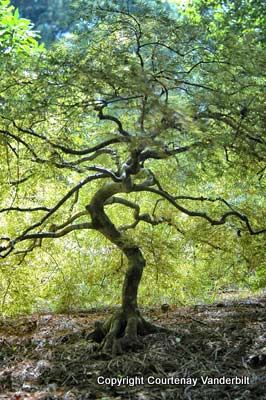
So, when Joe says a plant is worth buying… you listen. One of his favorites is the Japanese maple (Acer palmatum), which he uses around his zone 7 garden, especially when he wants to create focal points.

“Yes, Japanese maple is ubiquitous, but there’s a reason why,” explains Joe. “What other tree does so well with neglect? They’re as happy in containers as they are in the ground. They come in many different varieties and sizes now, with a rainbow of foliage colors. And I love them just as much in winter when they are pruned to give an open airy look.”

To see what Joe means, check out the stunning Japanese maple at the top of this blog post.


The native oakleaf hydrangea (Hydrangea quercifolia), shown above, is another of Joe’s favorites. Along with the stunning fall foliage, Joe likes the beautiful long panicles of flowers that turn from white to pink, and last from summer well into winter, as the handsome bark is exposed.

“What more could you ask from this four-season performer?” asks Joe. “This is a tough performer that responds well to pruning, has exquisite fall color, grows happily in sun or shade, and looks wonderful in a woodland setting. There are also compact varieties that are perfect for any garden.”


Hellebore or lenten rose (Helleborus orientalis) is another plant Joe couldn’t live without – and he encourages folks to forget everything they’ve heard about hellebores being fussy or hard to grow.

“This deer resistant plant thrives on neglect, puts on a show in the shade, blooms in winter, and rewards you with lots of seedlings every year,” says Joe. “Hellebore reseeds prolifically in a myriad of color combinations and their evergreen foliage is a welcome sight in the dead of winter. This is a plant you’ll be happy to pass along to your gardening friends.”


Co-host - Patti Moreno: Also known as “The Garden Girl,” this well-known writer and TV host is an expert in sustainable living for urban environments. She is a contributing editor to Fine Gardening’s GROW magazine, columnist for Organic Gardening Magazine, contributor to Farmer’s Almanac, and host of the PBS series Farmer’s Almanac TV. On Twitter: @pattimoreno  On Web: www.gardengirltv.com/  


Over the years, Patti has tried hundreds of plants in her zone 6b garden, but she especially loves nasturtium (Tropaeolum minor). “I start them from seed where I want them to grow each spring, “she says. “I never run out of places to sow them. Their edible flowers come in many different varieties, and have a mild peppery flavor. They brighten up salads or fresh-from-the-garden side dishes. Plus, the leaves are edible as well.”


Another plant she loves is sweet potato vine (Ipomoea batatas), which she simply must buy each year. “They mainly come in two colors, a beautiful florescent green and a deep purple,” explains Patti. “Although they may not look like much when first planted, they are truly amazing once they get going and start trailing around in interesting ways.”


Associate Producer - Theresa Loe: Based outside of Los Angeles, Theresa is all about living local, organic and sustainable. This book author and garden writer is an expert in educational school gardens and urban homesteading. She’s also a canning and preserving expert.  On Twitter: @TheresaLoe On Web: www.gardenfreshliving.com/


Theresa’s charming cottage garden is zone 10, allowing her to grow many different edibles and cut flowers together. One favorite she likes to grow in containers and hanging baskets is the tender perennial called kent beauty oregano (Origanum rotundifolium 'Kent Beauty'). The plant really lives up to its name, according to this gardening pro.

“Kent beauty oregano is a real charmer,” says Theresa. “The leaves are heart-shaped with strong architectural veins running throughout. It has bracts that combine creamy white with a lovely chartreuse at the base. The flowers make spectacular flower arrangements and the bracts even hold their color well when dried.”


She’s also crazy about a creeping vine called cup and saucer vine (Cobaea scandens). “This profuse bloomer is a fast grower,” explains Theresa. “It quickly covers walls or fences with lovely cup-shaped flowers, yet it does NOT damage walls as other vines can do. In my area, it dies back each winter. The flowers first open as a light green and slowly darken to a deep purple in the sun. It is a real show stopper and perfect for any unsightly area.”


Theresa grows many different herbs in her garden, but she is particularly fond of Lemon Verbena (Aloysia citriodora).

“This plant is highly prized in the perfume industry for its essential oil,” explains Theresa. “And you need only brush past the foliage on a warm day to see why. One sprig, tucked into a bouquet of fresh-cut flowers will fill the room with sweet lemon fragrance."


“But I also grow this tender herb for its flavor,” she adds. “On any given summer day, you will find a pitcher of lemon verbena water in my refrigerator. To make your own, simply pick a few 6-inch stems, gently bruise the leaves with your fingers to release the essential oils and drop them into a tall pitcher of ice water. So simple and yet so delicious!”

Learn more about Growing a Greener World:
On Twitter: @GGWTV
On Web: http://www.growingagreenerworld.com/
On Facebook: www.facebook.com/GGWTV

And if Growing a Greener World isn’t showing on your local PBS station, contact them and find out why. These folks have plenty of great gardening and culinary tips you don’t want to miss…

Thursday, July 22, 2010

17th Century Recipe for Pickled Cucumbers

Photo by David Salafia on Flickr
With canning and preserving foods such big culinary trends these days, it's easy to forget these skills are actually quite old. Canning is centuries old, and preserving foods dates back to ancient times.

One example is this seventeenth-century recipe for pickled cucumbers. Although I strongly recommend you apply only USDA-recommended standards when you preserve foods ... I bet you'll find it interesting to see the similiarities of ingredients with our pickled cucumbers today.

Photo by Lori_NY of Flickr
To Pickle Cucumbers for Winter-Time
from The Compleat Cook, 1671

"Put [cucumbers] in an earthenware vessel: lay first a lay of salt and Dill, then a lay of Cucumbers, and so till they be all laid. Put in some Mace and whole Peppers, and some Fennel-Seed: then fill it up with Malt or Beer-vinegar: and put a clean board and a stone upon it to keep them within the pickle, and so keep them close covered."

Sounds rather delish, don't you think?

For more about canning and preserving, don't miss Nest in Style's podcast interview with Theresa Loe of Growing a Greener World. You can also enter to win a free copy of the book, Canning and Preserving Your Own Harvest.


Meanwhile, how do you like to pickle cucumbers? What else do you like to preserve? Any good recipes? Share your ideas here...